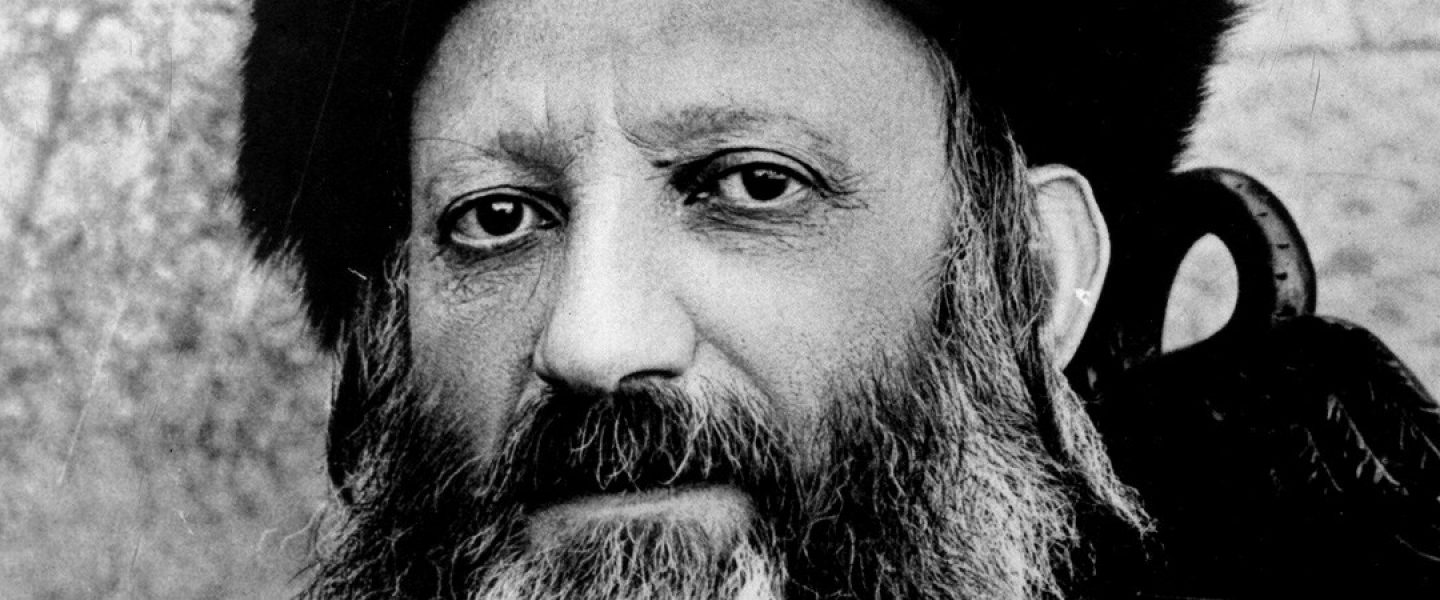
Translation: Ein Ayah (Berachot 26b)
יצחק תקן תפלת מנחה שנאמר ויצא יצחק לשוח בשדה לפנות ערב ואין שיחה אלא תפלה שנאמר תפלה לעני כי יעטף ולפני ה׳ ישפך שיחו.
Yitzchak instituted the Mincha prayer, as it is stated: “And Yitzchak went out to converse [lit. לשוח] in the field toward evening” (Bereishit 24:63), and שיחה means prayer, as it is stated: “A prayer of the afflicted when he is faint and pours out his words [lit. שיחו] before God” (Tehillim 102:1).[1]
This statement of our Sages raises three questions that we must address:
- What is the significance of the term שיחה?
- Why is it particularly associated with the prayer of minchah?
- And why is it specifically associated with Yitzchak, as opposed to the other Avot?
The answer lies in an interesting feature of the Hebrew language – the same term that our Sages apply to Yitzchak’s prayer (שיחה) is also used for grass and other forms of plant life.[2] This points to an inner connection between the plant world and the world of prayer.
Prayer can allow the soul to flower[3] and rejuvenate, bringing forth buds of new spiritual capacities. This mode is most suited to the late afternoon period, when a person is able to cast off the worldly and temporal burdens of the workday.[4] [5] At that point, his soul ascends towards God in accordance with its innate yearning for the Divine. Latent feelings of holiness were fettered during the workday, but now find free expression in a desire to cling to the Living God and strive mightily in pure love and reverence of Him. These buds will ripen into fruits and give forth branches and flowers.[6]
This blossoming of spiritual potential through prayer is a natural expression of the soul’s innate uprightness. It isn’t foreign to the soul or imposed from without. In this regard, the שיחה–prayer it is rooted in the Divine attribute of strict justice (lit. מדת הדין), which exacts consequences anytime someone deviates from the natural order. From the perspective of the מדת הדין, punishment is not vindictive or even retributive. It is simply a natural consequence that grows out of the poisoned soil of sin – woven, as it were, into the very nature of the soul.
And we know that Yitzchak is associated [7] with מדת הדין. For this reason, the שיחה mode of prayer is particularly associated with (i) Yitzchak, as opposed to Avraham or Ya’akov, and (ii) the Minchah prayer, which is an opportunity for the natural yearning of the soul to blossom.
[1] The gemara brings other verses to demonstrate that Avraham established the Shacharit prayer and that Ya’akov established Ma’ariv.
[2] See Bereishit 2:5 (כל שיח השדה טרם יהיה בארץ) and Bereishit 21:15 (ותשלך את הילד תחת אחד השיחם). It is fascinating to note that each of these sources is connected with the notion of tefilah:
- a) The midrash, quoted by Rashi on Bereishit 2:5, tells us that Hashem didn’t bring rain to facilitate plant growth until Adam davened.
- b) The connection of prayer with the story of Yishmael and Hagar’s wandering in the desert is clear on a level of p’shat. Note also that Yishmael’s name comes from God answering Hagar’s prayer the first time she was cast out (see Bereishit 16:11).
[3] Rav Kook uses the term “הפרחת הנפש.”
[4] In this light, note that the word מנחה comes from the word “נח,” or “rest,” as the afternoon is the period that the sun descends in the sky and eventually sets. See Ramban al-haTorah (Shemot 12:16).
[5] You may be thinking “But I get work-related e-mails all day and never get to clock out at sundown!” Belive me, as a working professional, I can empathize with you. We should bear in mind that Rav Kook is formulating a spiritual typology.
[6] There is a rich literature of Torah sources that connecting trees to man’s spiritual development, based on the pasuk כי האדם עץ השדה in Devarim 20:19. See here and here for representative examples. Poets and thinkers numbered among the chachmei ha’umot have also been sensitive to the deeper spiritual dimension of trees – see here, here, and here.
[7] Rav Kook cites the verse ופחד יצחק היה לי (Bereishit 31:12). The connection between Yitzchak and מדת הדין appears in many sources, and is also evident on a p’shat level. Yitzchak is the most passive and withdrawn of all of the Avot. Further, his highest spiritual accomplishment is one of sacrifice (i.e. the Akeidah), which embodies the negation associated with מדת הדין.
[8] Olat Re’iah, Inyanei Tefilah #2.
Commentary
This piece expands our understanding of what tefilah has the power to be. It is not merely another halachic obligation to satisfy by rote or and it’s not even an opportunity to present requests to God or converse with Him. It is something far more – the expression of the soul’s innate desire to connect profoundly with God. If you’re like me, this desire is not something you feel or are conscious of on a regular basis when you open your siddur. Maybe if you’re lucky you feel it a little at Neilah. But Rav Kook believed that the “soul is always praying,” and that fixed times for prayer are just opportunities when the constant prayer of the soul finds active expression.[8]
Rav Kook’s description of tefilah is lofty and feels beyond our reach. But what would happen if, the next time we struggle with kavanah during davening, we reminded ourselves of this teaching about how our souls are waiting for their chance to blossom. We’re not trying to create kavanah from nothing, the kavanah is already there and waiting for us to help it sprout.
Questions for Discussion and Reflection
- The ‘שיחה’ mode of tefilah as described by Rav Kook sounds like it requires a really high spiritual level. What are some of the challenges that make it hard for us to experience this kind of tefilah?
- In this piece, Rav Kook discusses prayer as an expression of the soul’s innate desire to connect with God. What could be other expressions of this desire?
- Is Rav Kook’s lofty depiction of prayer as “blossoming of spiritual potential” relevant to someone who is davening minchah from a siddur, with the fixed text that we use today? Or do you think Rav Kook is talking about prayer that is more improvised and spontaneous?
- Have you ever heard of Divine punishment being a natural consequence of sin, like getting burned when you stick your hand in a fire, or is that a new approach for you? Compare and contrast the ramifications of this approach with punishment as discipline, retribution, etc.
About This Piece
Ein Ayah is a commentary on the aggadic portions of the Talmud, specifically Berachot, Shabbat and Seder Zeraim. Rav Kook began writing Ein Ayah when he was a young rav in Lithuania, and continued adding material until the end of his life. Ein Ayah seeks to extract profound and fundamental principles of Torah hashkafa from the world of Aggadah.[1] It is an excellent introduction to Rav Kook’s thought, inasmuch as the pieces tend to be more shorter and self contained and less esoteric than many of Rav Kook’s other worlds. While Ein Ayah has never been translated in its entirety into English, selected excerpts have been published by Betzalel Naor in Of Societies Perfect and Imperfect. An online course from WebYeshiva covering Ein Ayah on Masechet Shabbat is available here.
[1] As opposed to much of the traditional commentary on Aggadah (i.e. Maharsha and the commentaries printed with Ein Ya’akov) which is less systematic and takes a piecemeal approach to connecting Aggadah with major principles of hashkafa.
