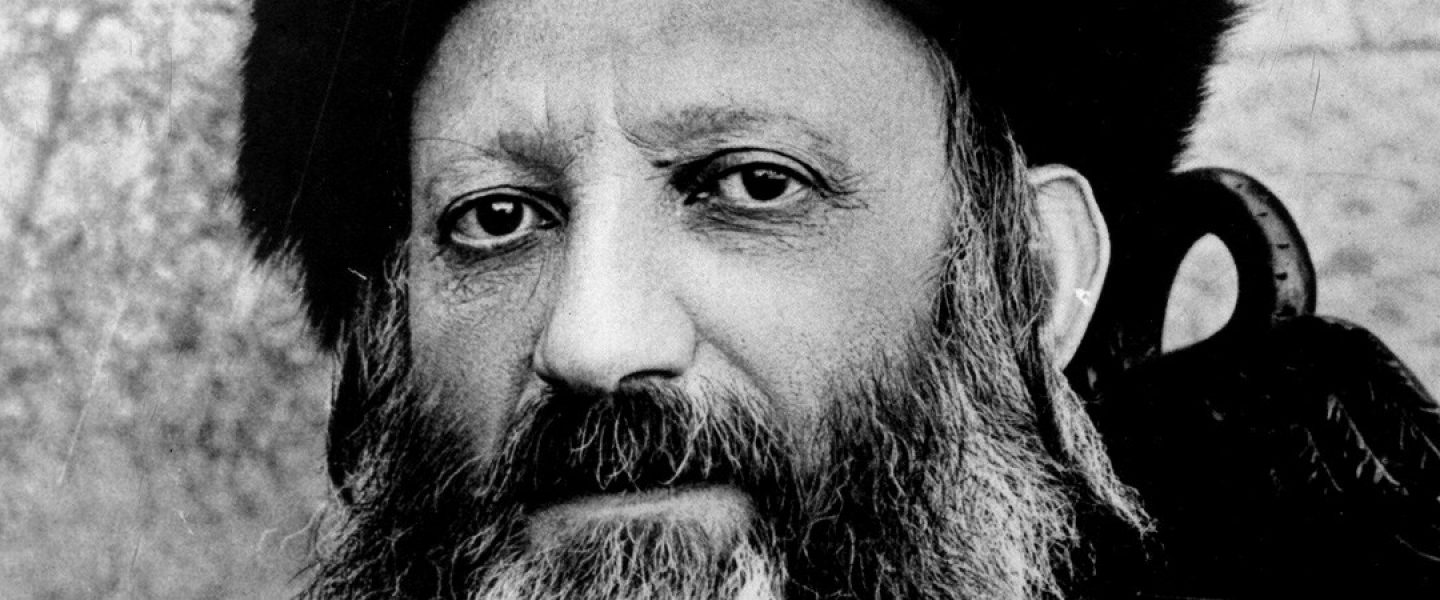
Rav Kook (Ein Ayah, Gemara Berachot 9b)
“Speak, please (lit. נא) in the ears of the people, and they should borrow, every man from his fellow and every woman from her fellow, silver and gold vessels.” (Exodus 11:2).
Gemara Berachot 9b: G-d used an expression of supplication. He said to Moshe “Go and tell Israel, I beseech you, borrow vessels of silver and vessels of gold from the Egyptians in order to fulfill the promise I made to Abraham in theברית בין הבתרים so that that righteous person (i.e. Avraham) will not say that God fulfilled “And they will be enslaved and afflicted,” but not “And afterward they will leave with great wealth” (Genesis 15:13–14).
The nature of a slave is to be accustomed to being ignored and abused. Slaves have no ambition and no desire for greater things. When G-d set our ancestors free, He summoned them to a higher level of existence as partners to a Divine covenant. Instead of building pyramids under the hot sun, they were build edifices of spiritual splendor. But this process of rehabilitation was not an easy or a natural one. The Israelites needed something to coax them into spiritual ambition and ignite their passion for religious development.
This was the deeper spiritual purpose of the wealth that G-d bestowed on the Israelites in the Exodus. Their newfound gold and silver was intended to stir them out of their brokenness and complacency, and awaken an awareness that they could long for more. However, there was a danger that the people would come to value Egypt’s wealth for its own sake, instead of using it as an engine to power their spiritual advancement. For this reason, G-d did not command the people to request gold or silver from the Egyptians, but so to speak “requested” it of them. This was G-d’s way of signaling that these treasures do not have intrinsic value.
Perhaps the spiritual purpose of G-d’s promise of wealth also explains why this promise was made to Avraham. More than the other Avot, Avraham yearned to spread knowledge of G-d throughout the world. He sought to establish a nation that would illuminate the pagan darkness just like he did as an individual, but on a greater scale. But Israel cannot influence other nations without a robust involvement in the world of wealth and commerce. Through vigorous and thriving economic activity, Jews come into contact with other nations, who are influenced by their ethical conduct and the unique spiritual life that they model. A nation of shepherds and paupers cannot be a light unto the nations.
Thus, Avraham desired not only that the Jews emerge from the purifying furnace of enslavement, ready to accept the yoke of Torah and mitzvot, but also that their spirits be rehabilitated and elevated through a desire for wealth and a healthy yearning for economic activity.
