
Printable PDF available here. Previous years’ pieces on Yitro are available here and here.
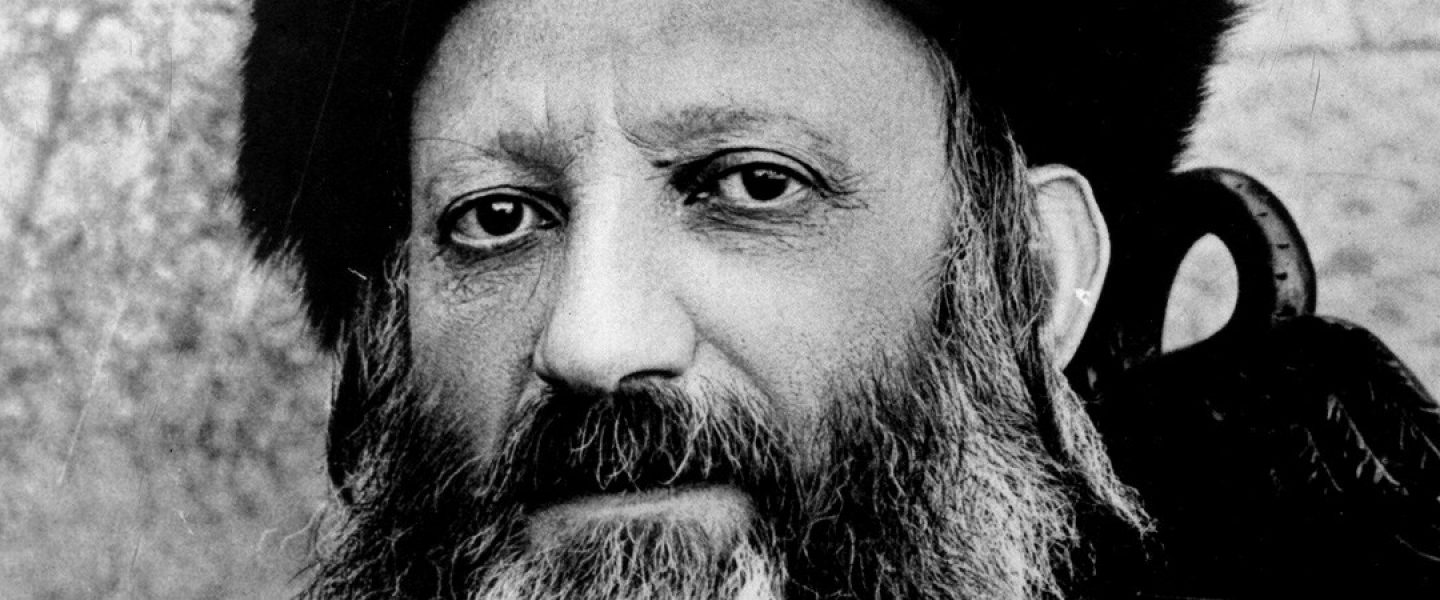
Rav Kook (Based on Ein Ayah, Gemara Shabbat 86b)
What was the chronology of the period before the Torah was given on Mount Sinai? Rabbi Yose taught that Rosh Chodesh Sivan fell out on the first day of the week. On that first day, G-d did not say anything to Israel because they were weary from journeying. (Gemara Shabbat 86b)
The highest form of holiness demands the manifestation of complete life, in all of its fulness. Physical exhaustion impedes the noble expression of life’s breadth and purity, just as sadness or depression obstructs the emotional realm. An exhausted soul cannot manifest its potential for infinite fulness of elevated thought, profound emotional depth, or pureness of ethical conduct. A tired and weary individual is destined to fall prey to the scourge of Amalekite spiritual influences [1]. The exhaustion of his body will impede his spiritual development, and he will be unable to maintain true awe of G-d.
If one seeks to listlessly drag themselves forward on the journey to spiritual advancement, there is a grave danger that the search for G-d will become corrupted. One is liable to conclude that human weakness and enfeeblement is a Divine ideal, that the diminishment of life’s vitality and neglect of man’s physical side is a religious duty.
G-d forbid that our Torah would ever endorse such an approach! In the face of physical exhaustion, one must allow time for his strength to gradually return, until his physical and emotional faculties can express their full vitality. One must recuperate to the point that his physical constitution is suited to bear the surge of supernal holiness. Only once one’s strength is restored and conscious of his bodily vigor (lit. גבורת הגויה והבשר), only then can his physical nature serve as a base for the establishment of the vigor of his spirit and his soul (lit. גבורת הרוח והנשמה). In this restored and refreshed state, the light of Divine life will flow downwards upon him, like drops of dew descending upon freshly opened flower buds.
This is the deeper lesson behind Rabbi Yose’s teaching that G-d did not address the Israelites on the first day that they arrived at Sinai, because they were wearing from journeying.
[1] Rav Kook is alluding to the verse in Devarim 25:17-18 – “You shall remember what Amalek did to you on the way, when you went out of Egypt, how he happened upon you on the way and cut off all the stragglers at your rear, when you were faint and weary, and did not fear God.” According to Rav Kook, the Jews became vulnerable to Amalek because being “faint and weary” meant that they, i.e. the Israelites, lost some measure of fear of G-d. When the verse says “and he did not fear G-d,” it refers to Israel, not Amalek.
Questions for Discussion
- Rav Kook writes that “The highest form of holiness demands the manifestation of complete life, in all of its fulness.” What do you think he means?
- Do Rav Kook’s insights have any relevant to how or why we observe Shabbat?
- Where does the halacha give expression to the value of taking care of one’s physical health?
- Were the Jews really so exhausted upon arriving at Sinai?
- What does being tired have to do with Amalek?
